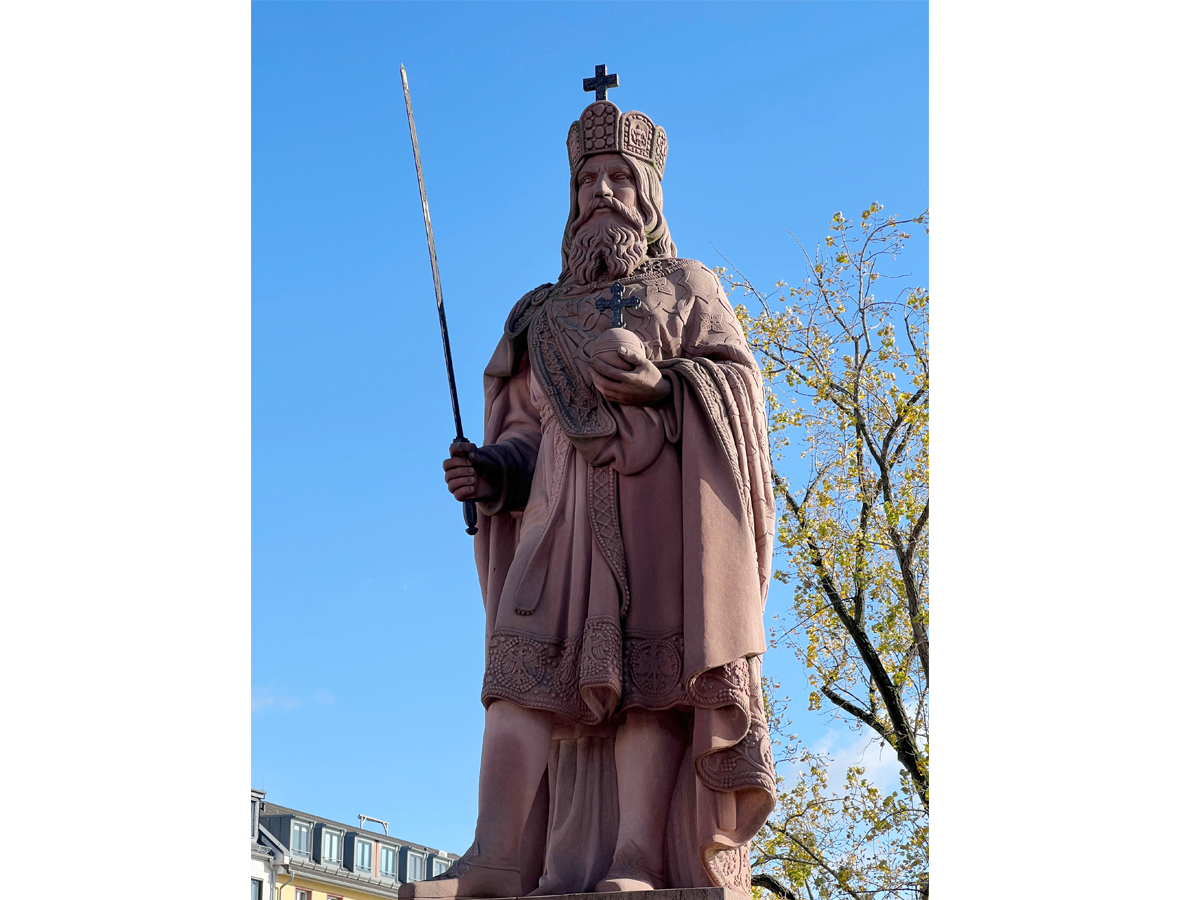
Charlemagne made Frankfurt am Main an important political and ecclesiastical meeting place of his empire and, with the synod of 794, ensured that the city appeared in historical sources for the first time. Due to its central location on the Main River with a significant river crossing, he used Frankfurt as a temporary residence during his rule over the Frankish Empire. Later, Frankfurt became the coronation and electoral city of the emperors for centuries.
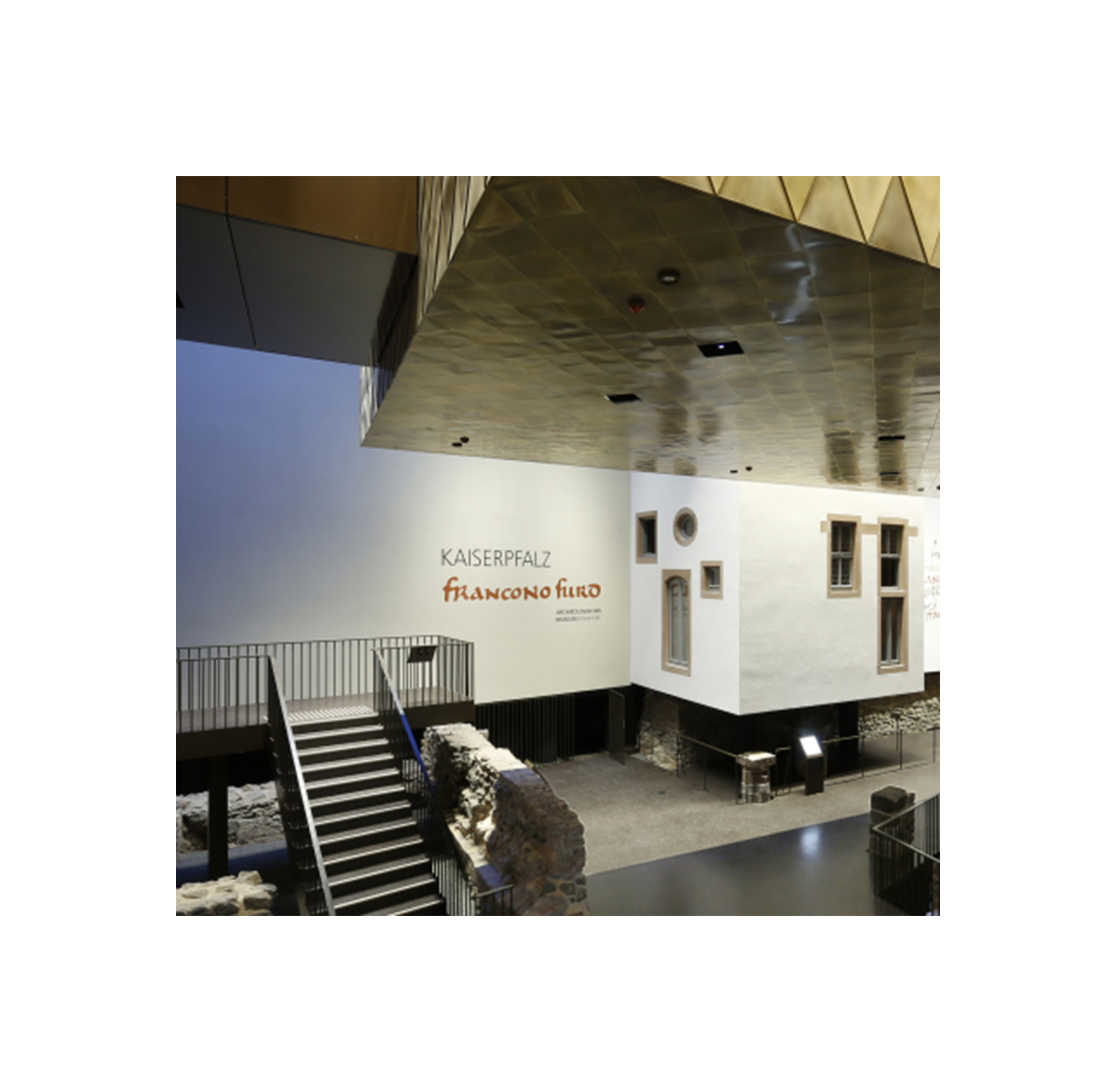
The area on the Cathedral Hill is considered the cradle of Frankfurt’s settlement history and thus the origin of the city. On this flood-free elevation, traces of settlement can be traced back to the first century BCE and across various subsequent periods. The predecessor of today’s cathedral was a chapel belonging to the Carolingian palace located here. Today the remains of the Kaiserpfalz Franconofurd are protected by the Great Hall of the event building Stadthaus am Markt.
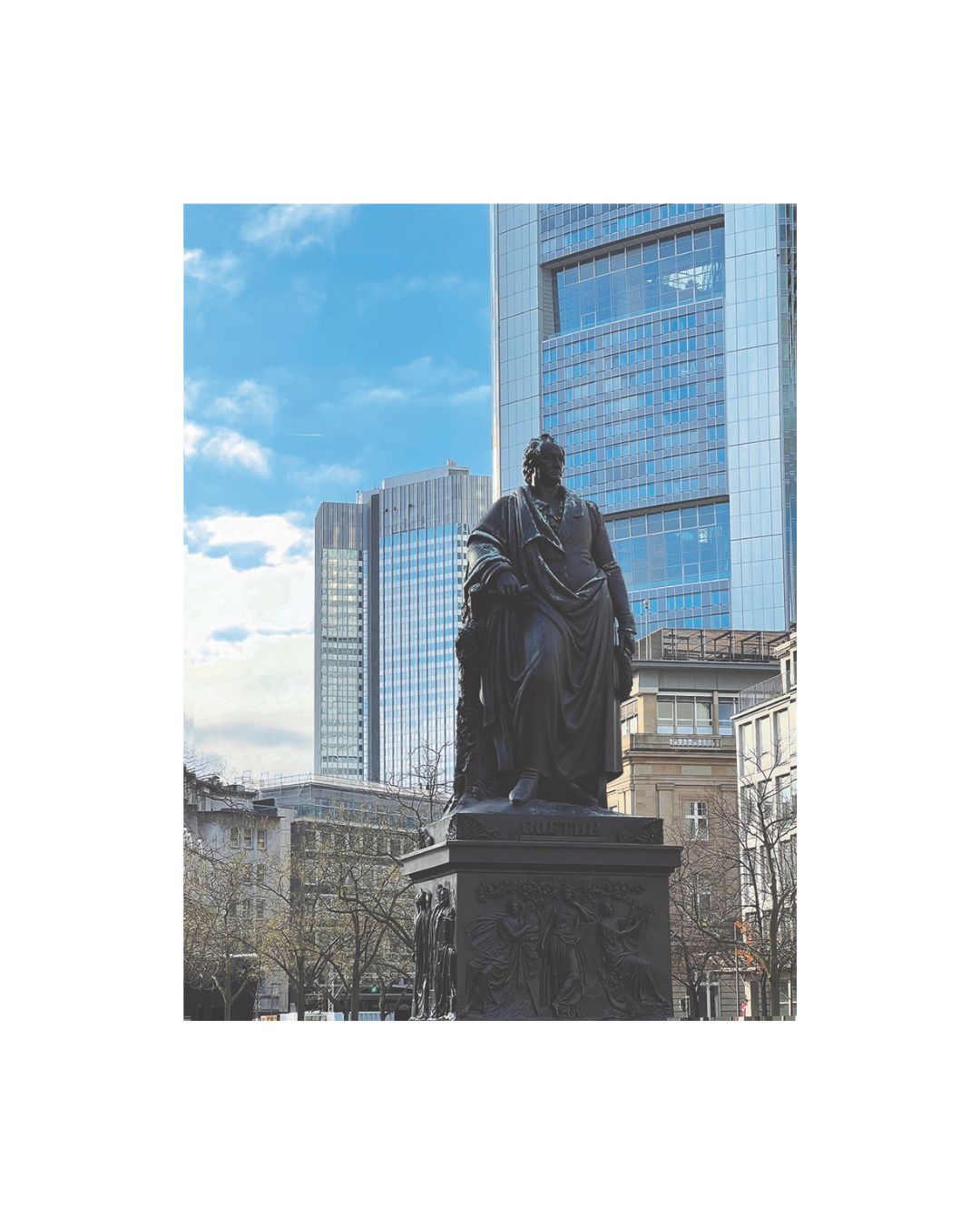
Johann Wolfgang von Goethe was born on August 28, 1749, on the edge of Frankfurt’s old town in the Großer Hirschgraben. His personal impressions of a childhood spent in the dense labyrinth of half‑timbered houses, narrow alleys, and bustling markets later became an important part of his literary memory. Today, Goethe’s birthplace houses a museum featuring memorabilia from his youth.
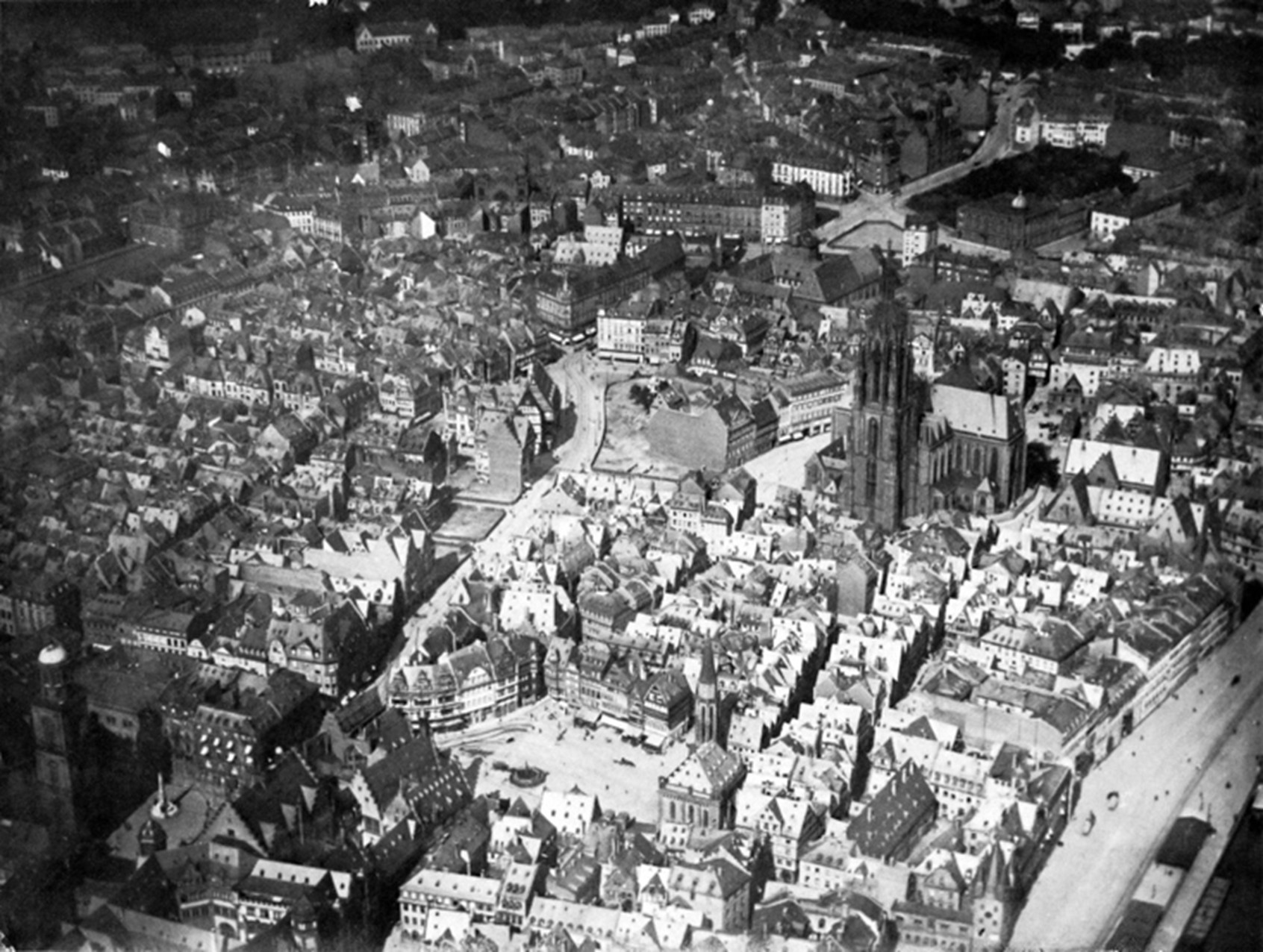
Aerial view of the Old Town, 1911
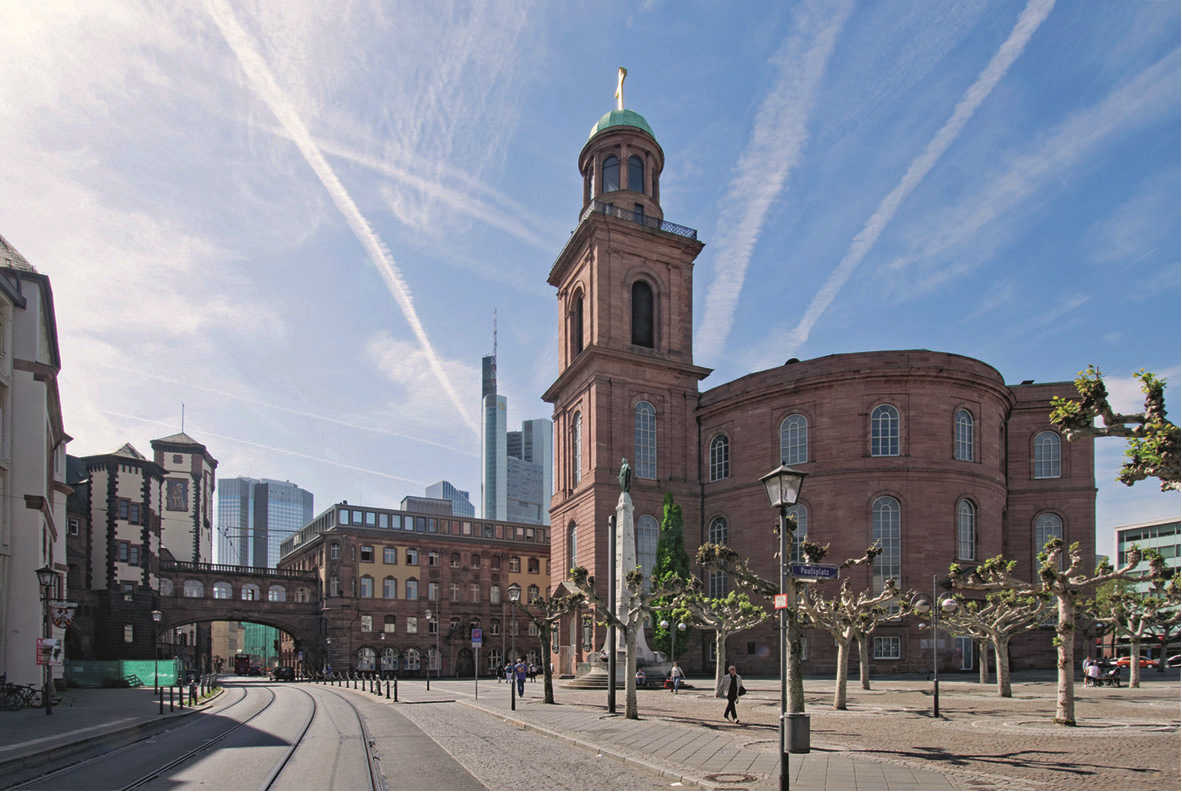
It is considered the cradle of democracy in Germany—the Paulskirche in Frankfurt am Main. In the coming years, it is to be developed into a national site of remembrance and learning. In the immediate vicinity of the listed building, a House of Democracy is also planned, providing additional spaces for political and historical educational work.

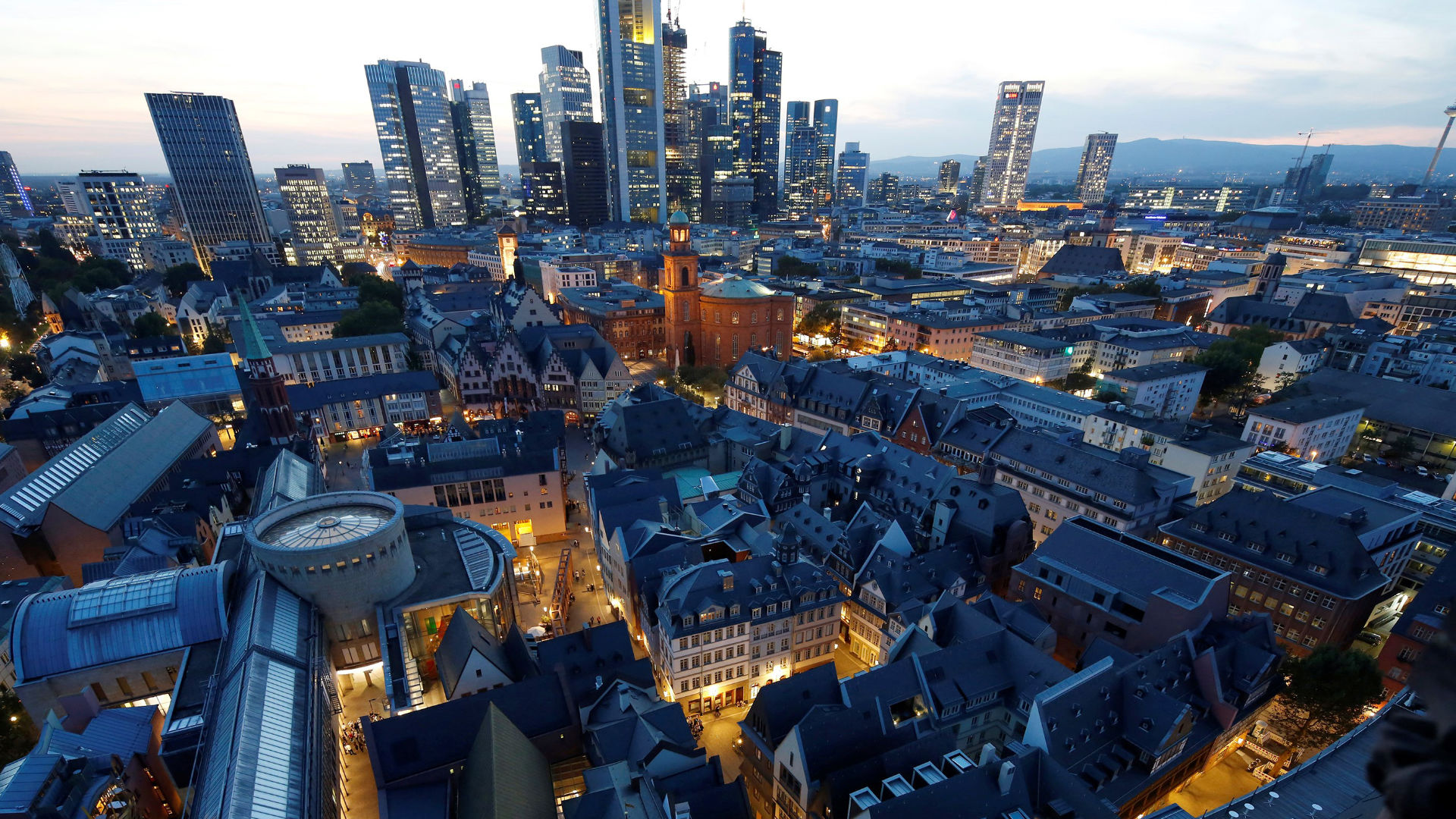
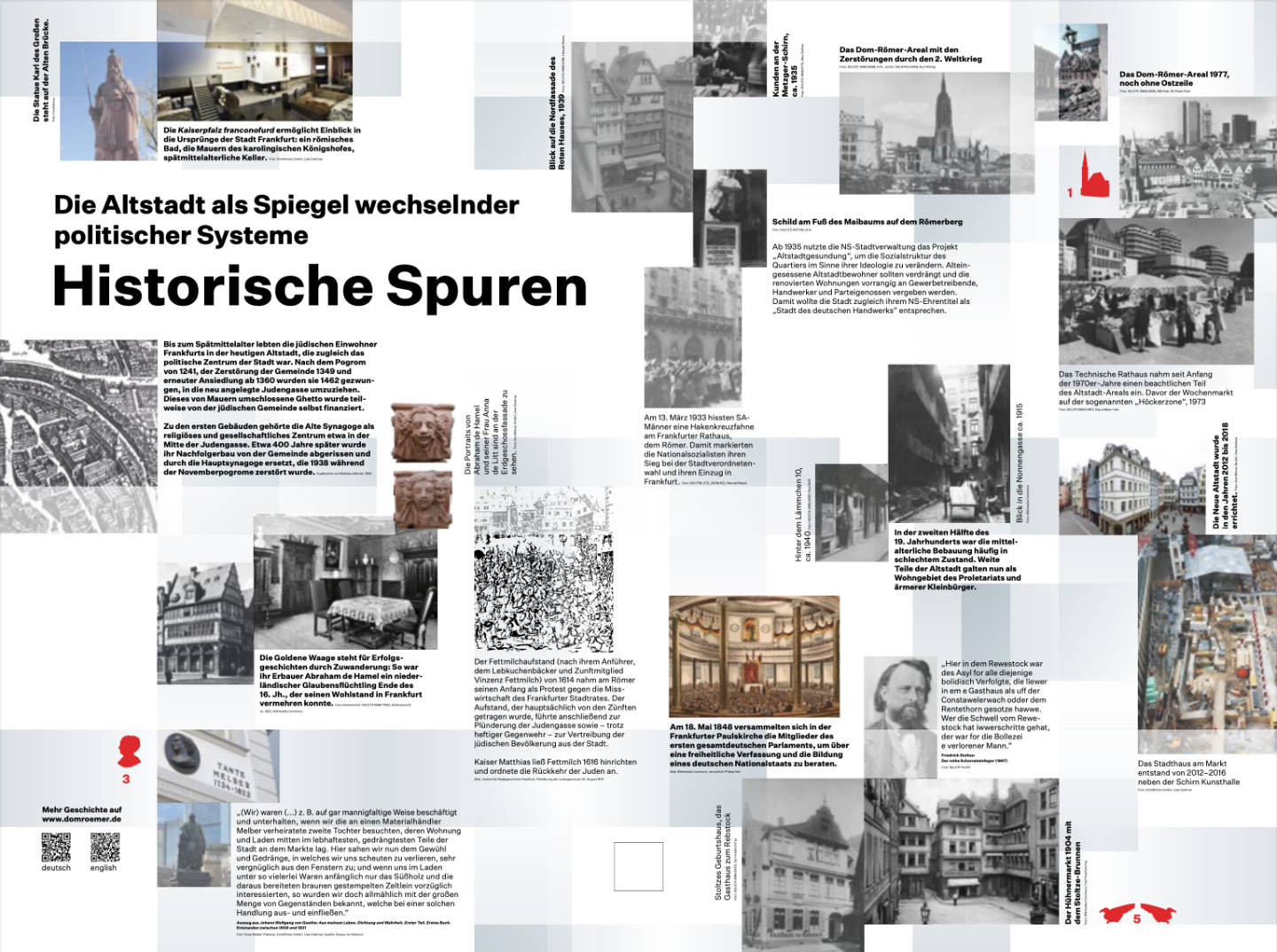
The city of Frankfurt am Main—and in particular the area between the Cathedral and the Römer—is full of history and stories. With the HistoryApp from the Historical Museum, these can be experienced interactively, both digitally and on a city tour.